
Skip to content

Housing Management Services

Housing Management Services

Safety and Saving Energy at home

Keeping Your Home Safe and Energy Efficient

Your safety, comfort, and wellbeing are important to us. As a tenant, there are simple steps you can take to help keep your home safe, reduce energy costs, and prevent common issues such as damp and mould. This guide provides practical advice on maintaining a safe and energy-efficient home throughout your tenancy.

Damp and Mould Prevention

Damp and mould can affect both the condition of your home and your health. If you notice damp, mould, water staining, leaks or repeated condensation, please report it to Theori as soon as possible. We will not assume it is your fault. We will review the issue, consider the property condition and agree what action is needed.

Help prevent damp and mould by:

If you notice signs of damp, mould, water ingress, or excessive condensation, please report the issue as soon as possible so that it can be investigated and addressed promptly.

Gas Safety

Gas appliances should only be installed, serviced, and repaired by qualified professionals. As a tenant, it is important to remain aware of potential gas safety risks and know what action to take if you suspect a problem.

Warning signs may include:

If you smell gas:

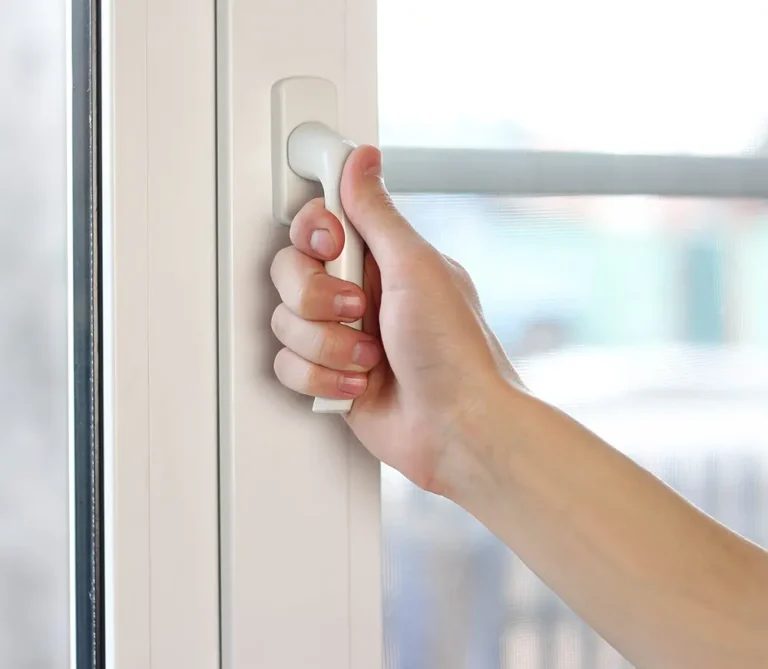
  1. Open doors and windows to ventilate the property.
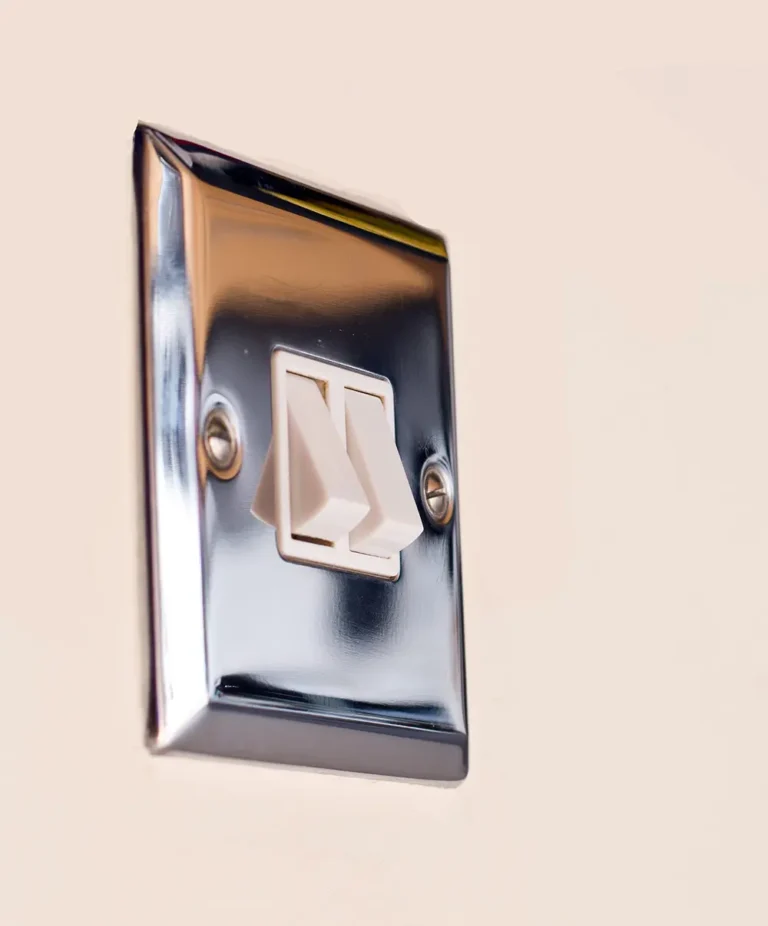
  2. Do not use electrical switches or naked flames.
  3. Turn off the gas supply if it is safe to do so.
  4. Leave the property if necessary.
  5. Contact the National Gas Emergency Service immediately on 0800 111 999.

Never attempt to repair or tamper with gas appliances yourself.

Carbon monoxide warning signs

Possible symptoms:

Headaches, dizziness, nausea, breathlessness, collapse or flu-like symptoms that improve when you leave the property.

Possible appliance warning signs:

Lazy yellow flames, pilot lights going out, staining around appliances or excessive condensation in the room.

Fire Safety

A few simple precautions can significantly reduce the risk of fire in your home.

To help keep yourself and your household safe:

If a smoke alarm or fire safety device is not working correctly, please report it immediately.

Electrical Safety

Electrical safety is essential in every home. Faulty appliances, damaged cables, and overloaded sockets can increase the risk of fire and electric shock.

Help maintain electrical safety by:

If you experience power failures, sparking sockets, burning smells, or exposed wiring, contact us immediately and avoid using the affected equipment.

Home energy help

LEAP (Local Energy Advice Partnership) help people with energy and appliance support. Check if you are eligible.

Compare energy suppliers

Compare the best gas and electricity deals from the UKs most trusted suppliers. Some tariffs can be lower than the energy price cap.

What is the energy price cap?

The UK energy price cap is a limit set by the energy regulator on the maximum amount suppliers can charge for each unit of gas and electricity and daily standing charges for households on standard variable tariffs. It is reviewed regularly to reflect changes in wholesale energy costs. The price cap is not a limit on your total energy bill—how much you pay will still depend on how much energy you use. By using energy efficiently and reducing unnecessary consumption, you can help keep your energy bills as low as possible.

Saving Energy at Home

Improving energy efficiency can help reduce household bills while making your home more comfortable throughout the year.

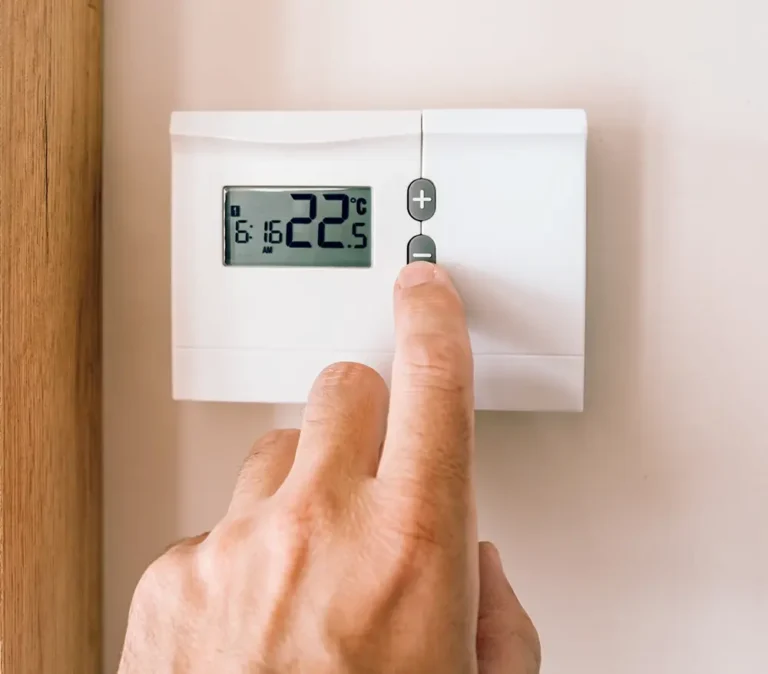
Simple ways to save energy include:

Home energy help

LEAP (Local Energy Advice Partnership) help people with energy and appliance support. Check if you are eligible.

Compare energy suppliers

Compare the best gas and electricity deals from the UKs most trusted suppliers. Some tariffs can be lower than the energy price cap.

What is the energy price cap?

The UK energy price cap is a limit set by the energy regulator on the maximum amount suppliers can charge for each unit of gas and electricity and daily standing charges for households on standard variable tariffs. It is reviewed regularly to reflect changes in wholesale energy costs. The price cap is not a limit on your total energy bill—how much you pay will still depend on how much energy you use. By using energy efficiently and reducing unnecessary consumption, you can help keep your energy bills as low as possible.